What is the Difference Between Front-End and Back-End Development?
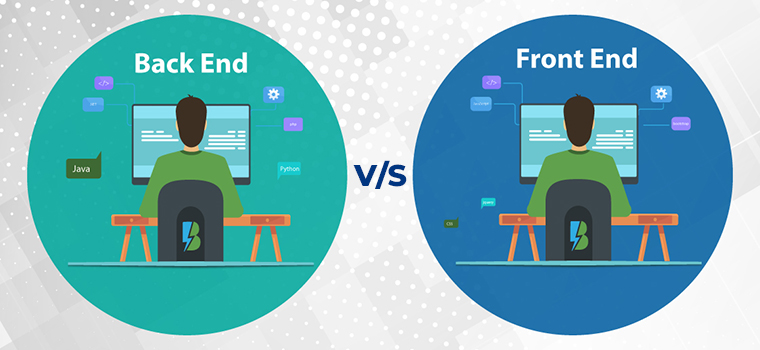
In today’s digital age, every business needs a professional website to build credibility, attract customers, and generate sales. When it comes to website creation, two essential parts work together to make it functional and visually appealing: front-end development and back-end development. Many people confuse the two, but each plays a unique role in how websites are designed and operated. If you are planning to build a website with the help of a Web Design Company in Udaipur, it’s important to understand these differences.
What is Front-End Development?
Front-end development focuses on the client-side of a website. It deals with everything a user sees and interacts with directly in their browser. The primary goal of front-end development is to create a seamless user experience (UX) and visually appealing design.
Some of the main technologies used in front-end development include:
HTML (HyperText Markup Language): Structures the content on web pages.
CSS (Cascading Style Sheets): Styles the website, including colors, fonts, and layouts.
JavaScript: Adds interactivity, such as dropdown menus, animations, or form validations.
In short, front-end developers ensure the website is responsive, user-friendly, and visually attractive. For example, when you click a button, scroll through a page, or fill out a form, all these functions are powered by front-end development.
What is Back-End Development?
Back-end development, on the other hand, is all about the server-side of the website. It deals with the behind-the-scenes operations that users don’t directly see but are crucial for the website’s functionality.
The back-end is responsible for:
Managing databases
Handling user requests
Processing payments
Running server logic
Some common back-end programming languages and frameworks include PHP, Python, Ruby, Java, Node.js, and .NET. Databases such as MySQL, MongoDB, and PostgreSQL are also widely used to store and manage data.
For example, when a user logs into an e-commerce website, the back-end checks whether their username and password match the database. Without back-end development, websites would just look good but wouldn’t actually work.
How Do Front-End and Back-End Work Together?
Both front-end and back-end development are interdependent. The front-end is like the shopfront of a business—it displays products, services, and information to attract customers. The back-end, on the other hand, is like the storeroom and operations team—it makes sure orders are processed, data is stored, and everything runs smoothly.
A well-functioning website requires both. For instance, when a customer submits a contact form, the front-end handles the form’s design and usability, while the back-end processes the information and stores it in a database or sends it to the company’s email.
Why Businesses Need Both Front-End and Back-End Development
For businesses, having both front-end and back-end development is essential to create websites that are aesthetically pleasing, functional, and secure. Partnering with a professional Web Design Company in Udaipur ensures your website not only looks great but also operates smoothly, providing a seamless experience for your customers.